The race to build great iPhone Duo apps is about to begin
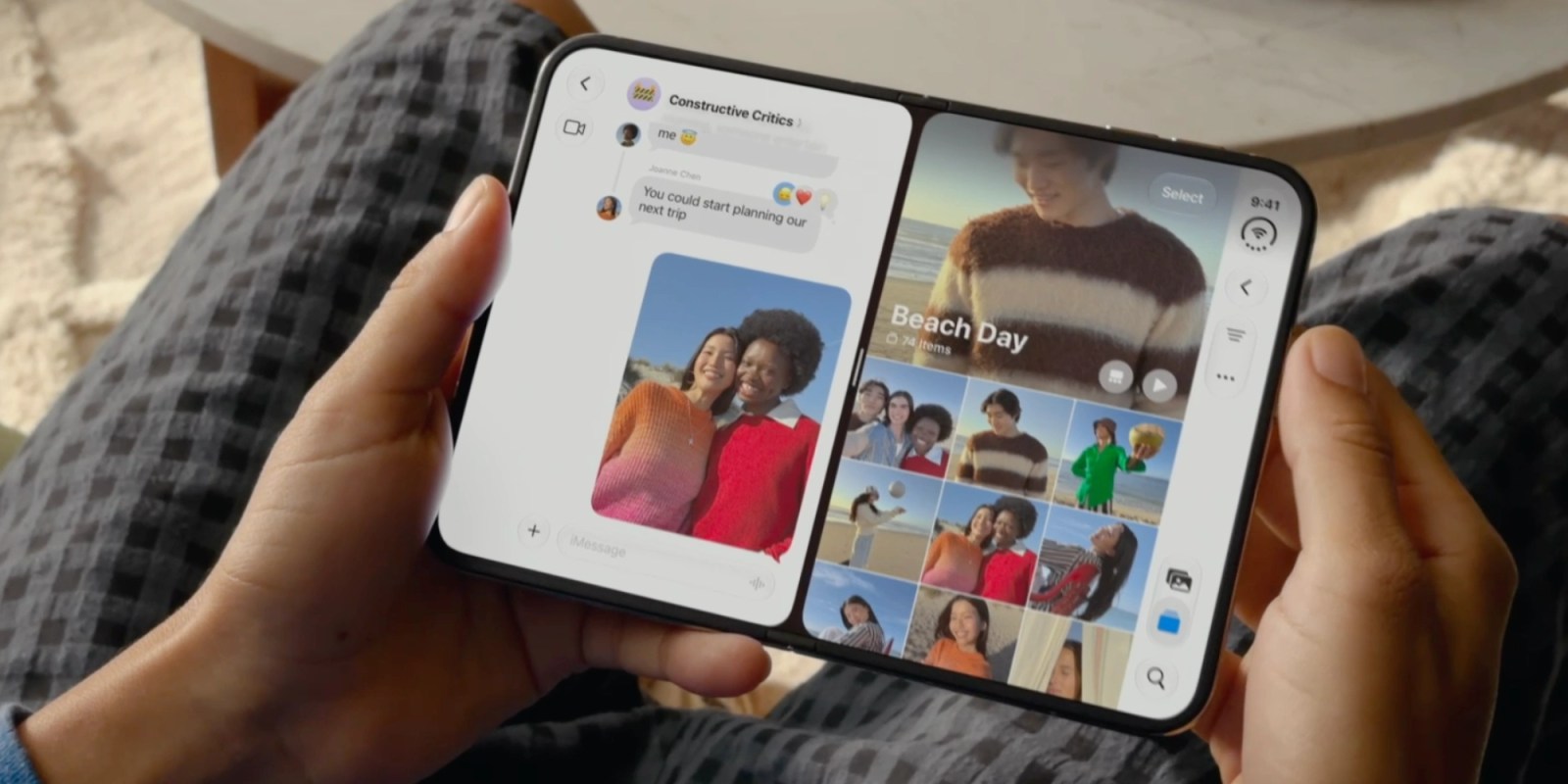
Apple’s iPhone Duo will begin shipping to customers on October 23, with pre‑orders opening on October 16. The device carries a premium $2000 price tag, positioning it as a high‑end offering that could reshape app‑developer priorities.
Overview of the Dual‑Screen Vision
The iPhone Duo introduces a larger, dual‑screen form factor that challenges the way iOS apps are displayed. While Apple’s native applications are already optimized for the new layout, many third‑party apps will initially appear in legacy modes. This early mismatch is expected to shrink as developers adopt the upcoming tools.
Three Levels of App Compatibility
Apple has defined three distinct compatibility tiers for apps running on the iPhone Duo. First, apps built for iOS 26 and earlier operate in a mode that ignores the extra screen real estate, presenting the same UI as on a single‑screen iPhone. Second, apps compiled with the iOS 27 SDK gain partial awareness of the wider display, leaving some unused space but offering a smoother experience than the legacy mode. Third, full iPhone Duo compatibility lets apps reposition toolbars from the top to the side and fully exploit the dual panels, delivering a native‑like feel.
When Standard Controls Provide an Automatic Boost
If a developer relies solely on Apple’s standard system controls—navigation bars, tab bars, and other UI components—its app will automatically benefit from the “full‑compatibility” tier once iOS 27.1 is targeted. Because these controls are rendered by the system, they adapt to the new layout without extra code, giving such apps a head start when the device launches.
Custom UI Elements Require Extra Work
Many popular apps employ custom‑drawn toolbars, bespoke navigation schemes, or third‑party UI frameworks. Those custom solutions do not translate automatically to the iPhone Duo screen. Developers must go beyond merely compiling against the iOS 27.1 SDK; they need to redesign layouts, test side‑panel interactions, and possibly refactor code to meet Apple’s dual‑screen guidelines.
Development Tools Arrive in Stages
Apple plans to release a new version of Xcode alongside the first iOS 27.1 developer beta. This update will include a virtual iPhone Duo simulator, allowing engineers to preview how their apps render on the dual screens before hardware is in hand. However, the simulator will be the only testing environment until the device reaches consumers on October 23.
Timeline for Developers
The public release of iOS 27 is scheduled for Monday, giving developers a narrow window to submit updates for the upcoming operating system. After the iOS 27.1 beta lands, teams can begin integrating dual‑screen support, but real‑world testing on physical hardware will not be possible until launch day. Consequently, many apps may roll out incremental improvements over the first few months.
Economic Incentives for Early Adoption
Because the iPhone Duo commands a $2000 price point, its owners are likely to have higher disposable income and a greater propensity to spend on premium App Store purchases. Developers who prioritize Duo‑specific updates may tap into a lucrative niche, especially for categories such as social media, banking, and gaming where UI polish directly influences user retention.
Market Outlook for Third‑Party Apps
While the iPhone Duo will start as a niche product, its status as a full‑featured iPhone—not a VR headset or a specialized variant—means that successful apps can reach a broader audience over time. Early adopters will set expectations, and standout Duo‑optimized apps will become showcase titles that other developers aim to emulate.
Anticipated Challenges for Complex Apps
Games with intricate HUDs, finance apps with dense data tables, and productivity tools that rely heavily on custom gestures will face the steepest learning curves. These applications must account for the dual‑screen’s side navigation, altered touch zones, and potential split‑view interactions, extending development cycles beyond the standard update cadence.
The Role of Apple’s Ecosystem Accessories
Alongside the iPhone Duo, Apple continues to expand its accessory lineup. The Apple AirTag 2 adds Find My tracking for keys, bags, and bikes, while the AirPods 5 and AirPods Pro 3 deliver the latest wireless audio experiences. These products complement the Duo’s premium positioning and reinforce Apple’s integrated hardware strategy.
Strategic Takeaways for Developers
Investing time now to achieve full iPhone Duo compatibility can yield long‑term benefits. Early optimization signals commitment to Apple’s ecosystem, potentially earning higher visibility in the App Store’s featured sections. Moreover, mastering the dual‑screen layout equips developers with skills transferable to future multi‑display devices.
Looking Ahead to the Next Few Months
The period following the October 23 launch will be a proving ground for both Apple and third‑party developers. Expect a gradual rollout of Duo‑ready updates, with the most polished experiences emerging after several months of iteration. Users who value a seamless dual‑screen experience should monitor app release notes for “Duo‑compatible” badges.
Conclusion: A Rare Opportunity for Innovation
The iPhone Duo represents a bold experiment in iOS design, challenging developers to rethink traditional UI paradigms. While initial compatibility may be uneven, the combination of a high‑end price point, dedicated development tools, and Apple’s ecosystem support creates a fertile environment for groundbreaking apps that fully leverage the dual‑screen form factor.