Report: iPhone Duo could give Apple a 25% share of foldable market in 2026
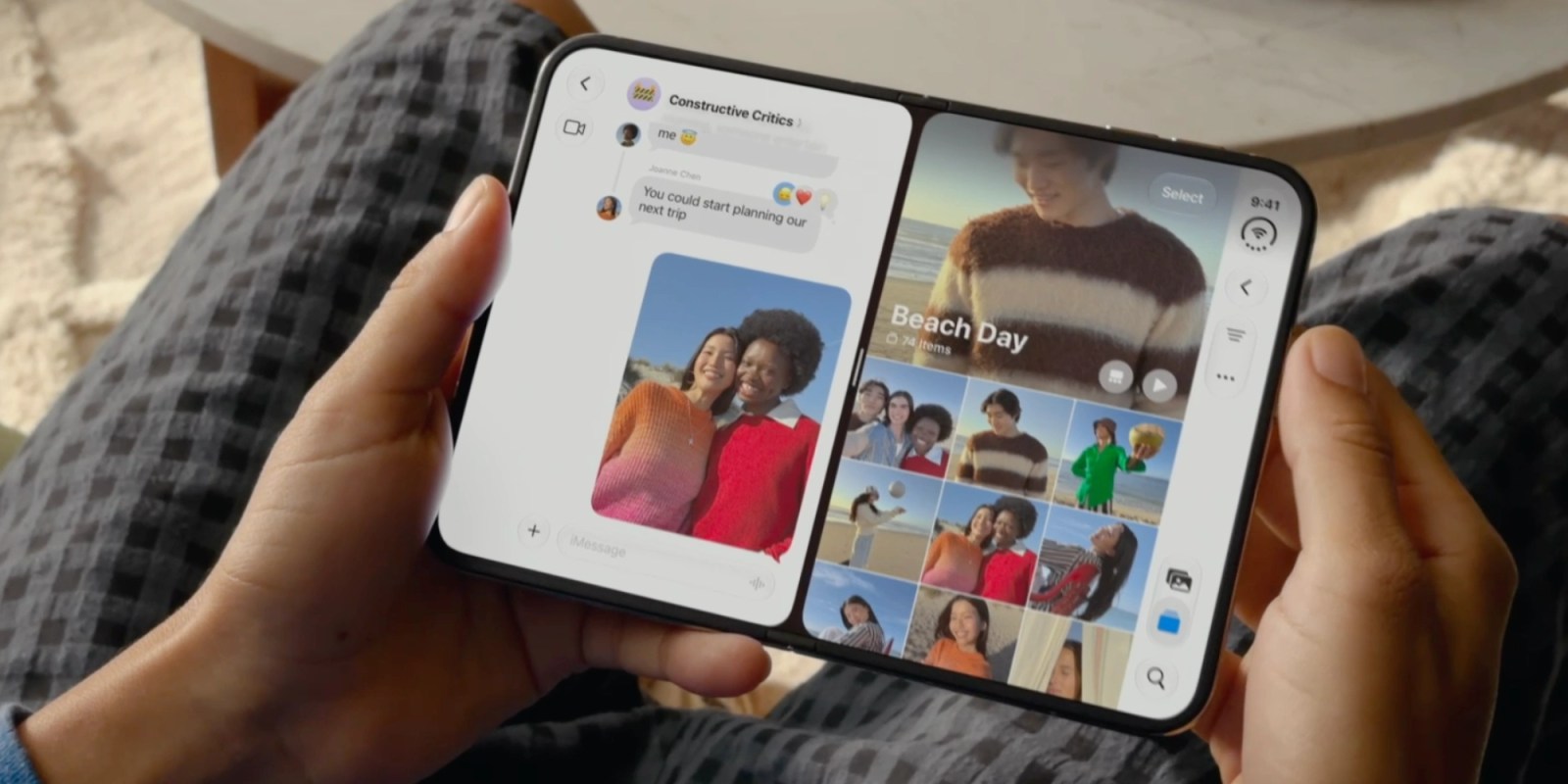
Apple’s newest foldable, the iPhone Duo, is projected to secure 24.8% of the global foldable segment by the end of 2026, according to a freshly released TrendForce analysis. The forecast arrives just one day after Apple’s official unveiling, positioning the device as a potential antidote to a 20% market‑wide slump.
Background
The announcement of the iPhone Duo sparked immediate analyst attention, prompting TrendForce to publish a detailed report within 24 hours. The firm highlighted that Apple’s entry could reshape consumer expectations for premium foldables. TrendForce’s rapid turnaround underscores the industry’s appetite for data‑driven insights on emerging form factors.
Apple’s strategic timing aligns with a broader shift toward larger, AI‑centric displays. By introducing a foldable at the height of the market slowdown, Apple aims to leverage its brand equity to revive growth. The company’s move also forces competitors to reassess pricing, component sourcing, and design trade‑offs.
Market Forecast
TrendForce predicts global foldable smartphone shipments will reach 20.2 million units in 2026, a modest 0.5% year‑over‑year increase. This modest rise reflects lingering supply‑chain constraints and rising component costs that have pressured the segment. Despite the slight uptick, the overall environment remains challenging for manufacturers.
Excluding Apple, combined shipments from Android brands are expected to total 15.2 million units, marking a decline of more than 20% year‑over‑year. The contraction illustrates how cost pressures are disproportionately affecting non‑Apple players. Android OEMs must now contend with shrinking volumes while trying to maintain innovation pipelines.
Samsung remains the market leader, with an anticipated 7.1 million units shipped in 2026, translating to a 35.1% share of the foldable landscape. The South Korean giant’s dominance is anchored in its early‑move advantage and diversified portfolio across premium and mid‑range segments. Samsung’s lead, however, faces a credible challenge from Apple’s entry.
Huawei is projected to match Apple’s shipment volume, delivering 5 million units and capturing an identical 24.8% market share. The Chinese manufacturer’s resurgence demonstrates its ability to rebound despite geopolitical headwinds. Huawei’s parallel performance with Apple underscores the competitive intensity at the top tier.
Apple itself is slated to ship 5 million units of the iPhone Duo in 2026, securing the same 24.8% share as Huawei. This volume represents a significant contribution to offsetting the segment‑wide slowdown. Apple’s brand pull and ecosystem integration are expected to drive premium pricing and higher average selling prices.
Apple’s Hardware Choices
In pursuit of a sleek, thin profile, Apple omitted a dedicated periscope telephoto camera from the iPhone Duo. The decision conserves internal space, allowing the device to maintain a comfortable fold thickness. By sacrificing the periscope, Apple prioritizes ergonomics over extreme zoom capability.
Instead, the 48 MP main camera delivers 2x optical‑quality zoom, leveraging sensor‑level processing to approximate traditional telephoto performance. This approach balances image quality with the spatial constraints inherent to foldable chassis designs. Users gain respectable zoom without compromising device slimness.
A side‑mounted Touch ID sensor replaces the conventional Face ID system, further reducing the front‑panel real estate required for biometric hardware. The relocation reflects Apple’s willingness to revisit legacy technologies when they better serve form‑factor goals. Touch ID also offers faster unlock speeds in certain lighting conditions.
These hardware trade‑offs highlight the ongoing tension between device thickness, camera versatility, biometric options, and battery capacity. Apple’s engineering team appears to have prioritized a harmonious blend of usability and aesthetics over raw specifications. The resulting design showcases a pragmatic compromise in a nascent category.
Future Outlook
TrendForce emphasizes that deeper integration of AI and multitasking interfaces could transform foldables from mere hardware novelties into new interaction platforms. The larger, flexible display enables split‑screen workflows, contextual AI overlays, and adaptive UI elements. Such capabilities may redefine productivity on mobile devices.
The report suggests that as developers harness the expanded canvas, foldables could become the primary conduit for AI‑driven applications, moving beyond camera‑centric use cases. Apple’s robust AI ecosystem, combined with the iPhone Duo’s form factor, positions the company to lead this paradigm shift. Industry observers anticipate a surge in specialized apps tailored to the foldable experience.
Battery technology will also play a pivotal role; maintaining sufficient endurance while accommodating a dual‑screen layout remains a critical engineering hurdle. Apple’s history of custom silicon may yield efficiency gains that offset the added power draw of a larger display. Success in this arena could set new standards for all foldable manufacturers.
Accessory Ecosystem
Apple’s broader product lineup continues to complement the iPhone Duo launch. The AirPods Pro 3 provide spatial audio that pairs seamlessly with the device’s immersive display. Meanwhile, the AirTag (2nd Generation) – 4 Pack offers precise location tracking for the larger form factor, enhancing user confidence.
The MacBook Neo is positioned as a companion laptop, enabling cross‑device continuity through Universal Control and AirPlay. For readers seeking deeper insight, David Pogue – ’Apple: The First 50 Years’ chronicles the company’s evolution, contextualizing the foldable milestone. Productivity accessories such as the Logitech MX Master 4 mouse and a Wireless CarPlay adapter round out the ecosystem, ensuring the iPhone Duo integrates smoothly into everyday workflows.
These peripherals underscore Apple’s strategy of creating a cohesive hardware suite that amplifies the value proposition of each new launch. By aligning accessories with the iPhone Duo, Apple reinforces its ecosystem lock‑in, encouraging users to adopt a fully integrated experience across devices.