Is the iPhone Duo just the start, with most iPhones foldable within a decade?
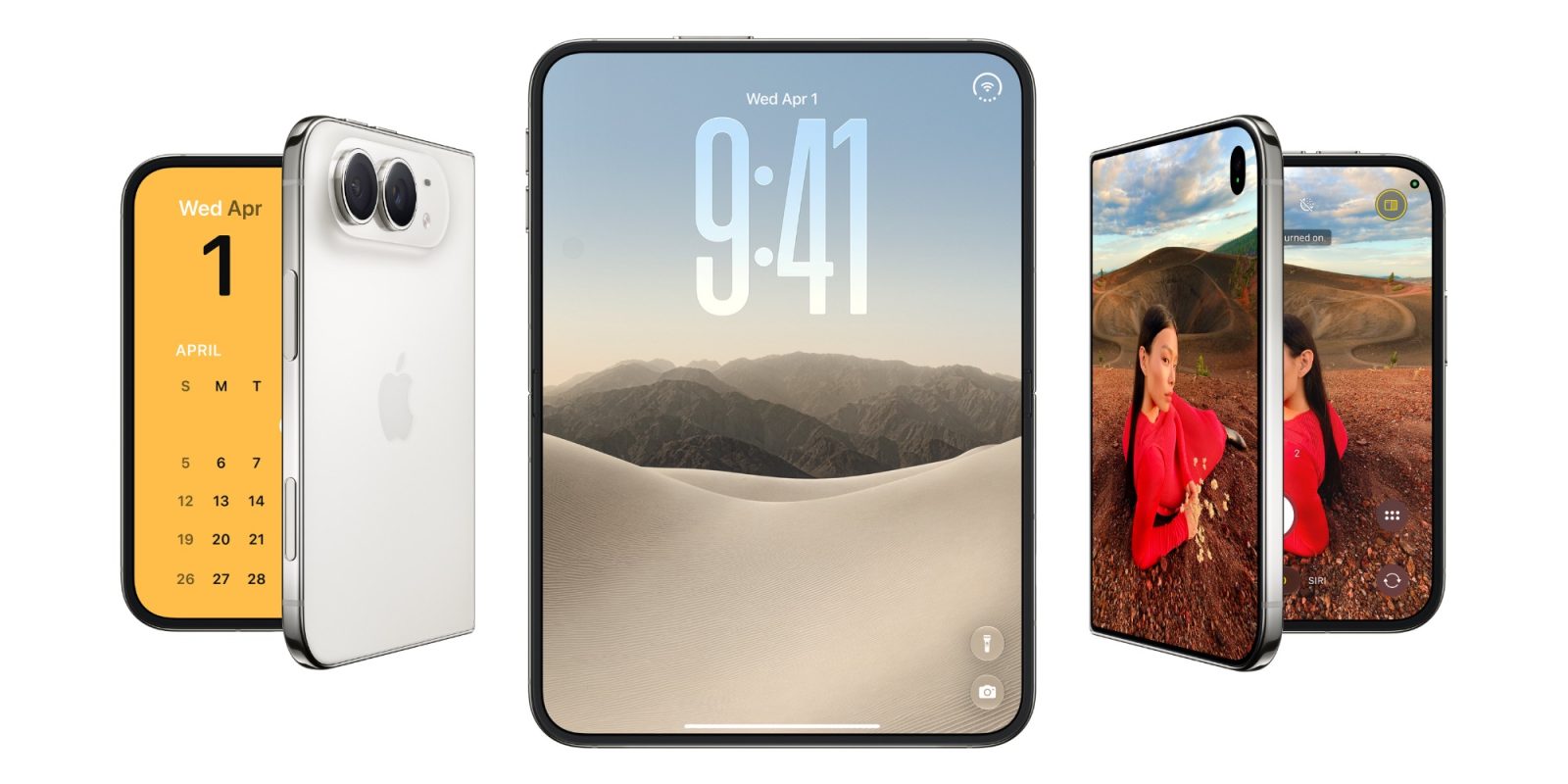
The latest Power On newsletter from Mark Gurman sparked a wave of speculation across the tech community. His central claim is that the iPhone Duo is merely the opening act of a decade‑long transition to foldable Apple devices.
Background
Before the iPhone Duo hit the market, foldable smartphones occupied a tiny niche, representing only 2% of the global smartphone market. This modest share has kept foldables out of mainstream conversation for most consumers.
The iPhone Duo arrives with a premium price tag, yet analysts expect it to catalyze rapid change within the next 12 months. Its introduction could shift consumer perception and accelerate adoption rates dramatically.
Market Landscape
Research firm Counterpoint Research released a forecast last week that the foldable segment will expand 24% in the remainder of this year. The same firm projects an additional 37% growth for the following year, underscoring a steep upward trajectory.
Within that same forecast, Counterpoint Research predicts Apple will capture 40% of the foldable market share. Such a dominant position would likely make Apple the leading player in this emerging category.
Gurman’s Long‑Term Vision
Looking beyond the immediate hype, Gurman envisions foldables comprising the majority of new phone sales within a decade. He argues that users will increasingly value a larger display that fits in a pocket, effectively replacing laptops and tablets for many tasks.
In this scenario, foldables become the “do‑it‑all” computing products of the future, blurring the line between phone, tablet, and portable workstation. The shift could redefine how consumers approach mobile productivity.
Price‑Tier Flexibility
Gurman also suggests that Apple could diversify its foldable lineup across price points. One possibility is an iPhone Duo Max featuring a bigger screen and a higher price tag, targeting power users and early adopters.
Conversely, he foresees a foldable version of the budget‑friendly iPhone SE, indicating that manufacturing cost reductions could bring foldable technology to entry‑level segments as well.
Technological Hurdles
A critical next step, according to industry insiders, is integrating Face ID into a foldable chassis. Embedding the biometric system on the outer screen is technically simpler than placing a selfie camera beneath an interior display.
The primary engineering challenge lies in managing the depth of the Face ID array without adding noticeable thickness, ensuring the device remains sleek while maintaining security standards.
Timeline Realities
A decade represents a long horizon in the fast‑moving tech world, and many variables could influence the outcome. Gurman humorously notes that humanity must survive the next ten years for his prediction to materialize.
Nevertheless, falling manufacturing costs make the widespread adoption of foldables a realistic prospect, turning today’s niche product into a ubiquitous form factor.
Consumer Engagement
The article that announced Gurman’s forecast also invited readers to participate in a poll about the prediction. Participants were encouraged to share their thoughts in the comments section, fostering community dialogue around the foldable future.
Ancillary Offers
While the foldable conversation dominates headlines, several Apple‑related promotions are currently available. Certified refurbished Apple products are offered at 15% off on apple.com, providing cost‑effective alternatives for budget‑conscious shoppers.
The official Apple Store on Amazon continues to list a range of accessories, including a discounted AirPods Pro 3 and a Wireless CarPlay adapter for seamless in‑car connectivity.
Additional accessories highlighted include a 10-year AirTag battery case, extending the lifespan of tracking devices, and a Logitech MX Master 4 for Mac, catering to professionals seeking ergonomic peripherals.
Conclusion
If Mark Gurman’s outlook proves accurate, the next ten years could witness a dramatic reshaping of the smartphone ecosystem. From premium flagship models like the iPhone Duo Max to affordable foldable iPhone SE variants, Apple may dominate a market that currently accounts for just 2% of global sales.
The successful integration of Face ID and the mitigation of thickness concerns will be pivotal in delivering a seamless user experience. As manufacturing efficiencies improve, the foldable format could transition from novelty to norm, fulfilling Gurman’s bold decade‑long vision.