iPhone Duo is no Apple Vision Pro
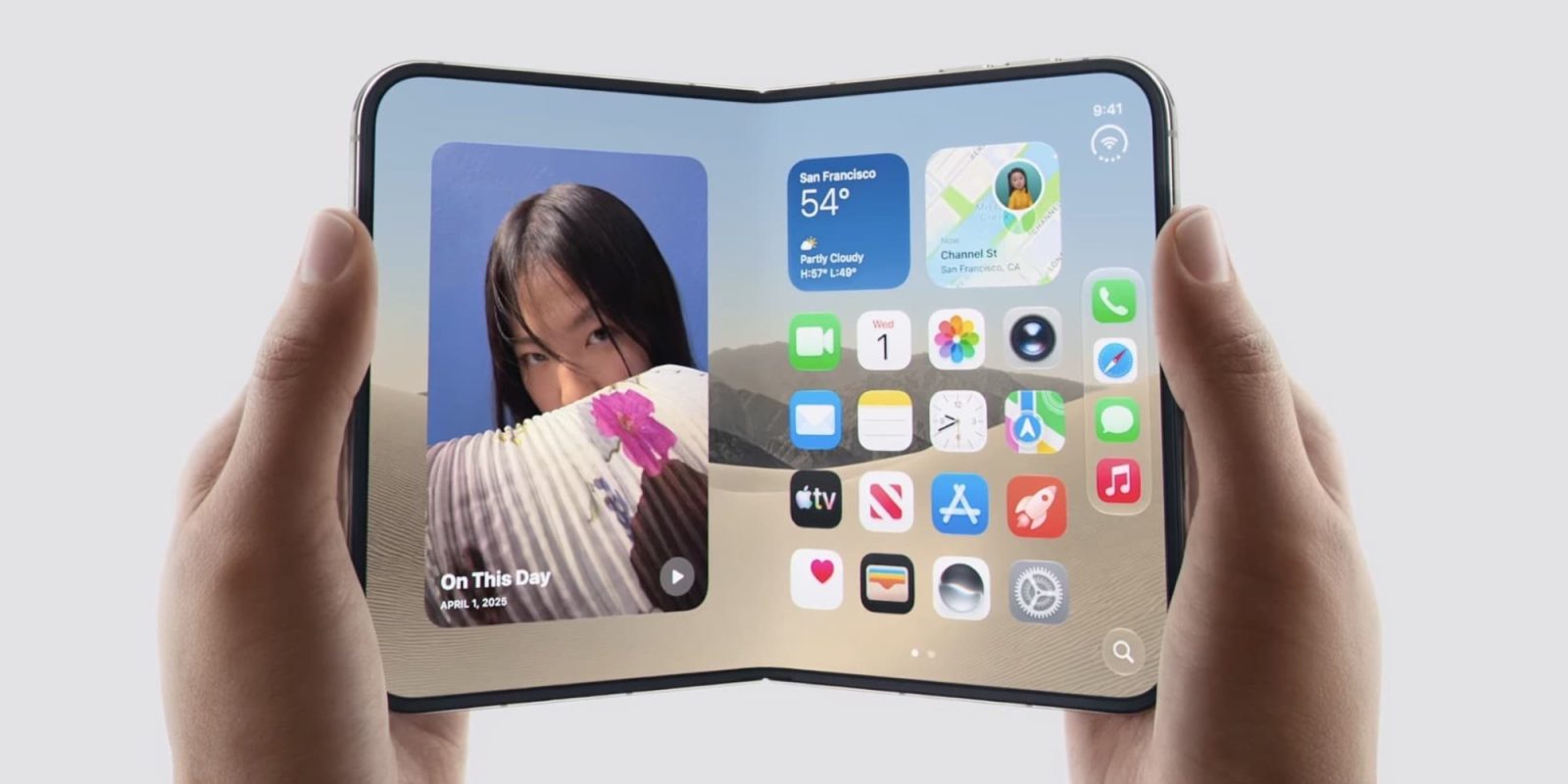
The tech community often lumps Apple Vision Pro and iPhone Duo together, but the realities of price, purpose, and portability set them far apart. Understanding those differences helps explain why one may thrive where the other struggles.
Core Device Roles
Apple Vision Pro is designed as an immersive mixed‑reality headset, not a replacement for everyday gadgets. It can act as a portable movie theater, a superior gaming viewport, and a gateway to moving mixed‑reality experiences, yet it never aims to supplant the iPhone or iPad.
In contrast, iPhone Duo merges the functionality of an iPhone with that of a small iPad, fitting comfortably in a pocket. Its hybrid nature means it tries to serve as both a primary communication device and a productivity tablet, a role the headset never attempts.
Pricing Landscape
The starting price of iPhone Duo sits at $1999, a figure that feels steep but remains within the realm of premium smartphone expectations. Consumers already spend similar sums on flagship phones because phones are central to modern life.
When Apple Vision Pro launched, its $3499 price tag was widely deemed unaffordable for most users. The current entry price of $3699 pushes the cost even higher—enough to purchase almost two iPhone Duo units, a level the market jokingly calls “iPhone Quattro money.”
Utility, Portability, and Affordability
Portability is a decisive factor: the headset is largely stationary, best suited for a dedicated space and capable of fitting only in a suitcase. It cannot be slipped into a pocket for constant use, limiting its everyday utility.
Conversely, iPhone Duo lives in a pocket, offering the convenience of a phone with the added screen real estate of a mini‑tablet. This dual‑utility model aligns with consumer habits that value devices they can carry everywhere, regardless of the higher price point.
Software Optimization Challenges
Third‑party developers face an uphill battle adapting apps for the folding display of iPhone Duo. Apple has already crafted a cohesive story around its operating system and first‑party apps, and developer tools are on the horizon to smooth the transition.
Apple Vision Pro, however, runs a specialized OS focused on spatial computing, limiting the breadth of apps that can take full advantage of its capabilities. Its software ecosystem is inherently narrower, reinforcing its niche status.
Competitive Positioning
Critics, such as Radiohedgefund, note that while iPhone Duo boasts a sleek OS experience, it cannot unfold into a full iPad until it runs iPad apps—a simpler issue than many claim. The device also shares the same camera hardware as the iPhone 16e, making its £2k price seem poor value compared with foldable rivals.
The comment underscores a broader sentiment: iPhone Duo does not dominate any single category. It isn’t the best camera phone (the iPhone 18 Pro still leads), nor does it excel in face‑recognition or tablet‑class multitasking.
Market Expectations and Future Prospects
The biggest hurdle for iPhone Duo is that it isn’t yet the absolute best‑in‑class iPhone. Enthusiasts hope future iterations will close that gap, delivering flagship performance alongside the foldable form factor.
For Apple Vision Pro, the challenge is broader. Its high price, limited portability, and niche software mean it struggles to become a mainstream consumer product, preventing it from fully realizing its immersive potential.
Ecosystem Synergy
Apple continues to expand its accessory lineup, offering Apple AirTag 2 for item tracking, Apple AirPods 5 as the latest wireless headphones, and Apple AirPods Pro 3 as its premium audio solution. These products complement both the headset and the foldable phone, reinforcing the brand’s integrated ecosystem.
Strategic Reflections
Apple’s decision to pursue Apple Vision Pro while also developing iPhone Duo reflects a willingness to explore divergent futures. Yet critics argue the company should be outpacing rivals like Samsung, Honor, and Google across every metric, rather than accepting trade‑offs that leave it lagging in key areas.
The desire for a single device that combines the best of every iPhone—including a foldable display—remains unfulfilled. Until a future model can match the iPhone 18 Pro in camera quality and Face ID reliability while offering a versatile screen, the iPhone Duo will sit in a niche between phone and tablet.
Conclusion
In summary, Apple Vision Pro and iPhone Duo address fundamentally different user needs. The headset’s immersive, stationary experience and lofty $3699 price keep it a premium, specialized product. The foldable phone, priced at $1999, strives to be a pocket‑sized hybrid, yet it still faces software and value‑perception challenges. Recognizing these distinctions clarifies why one may succeed where the other falters, and it highlights the paths Apple must navigate to satisfy both immersive and mobile markets.