iPhone Duo Can Do Split View, But Not Like Your iPad
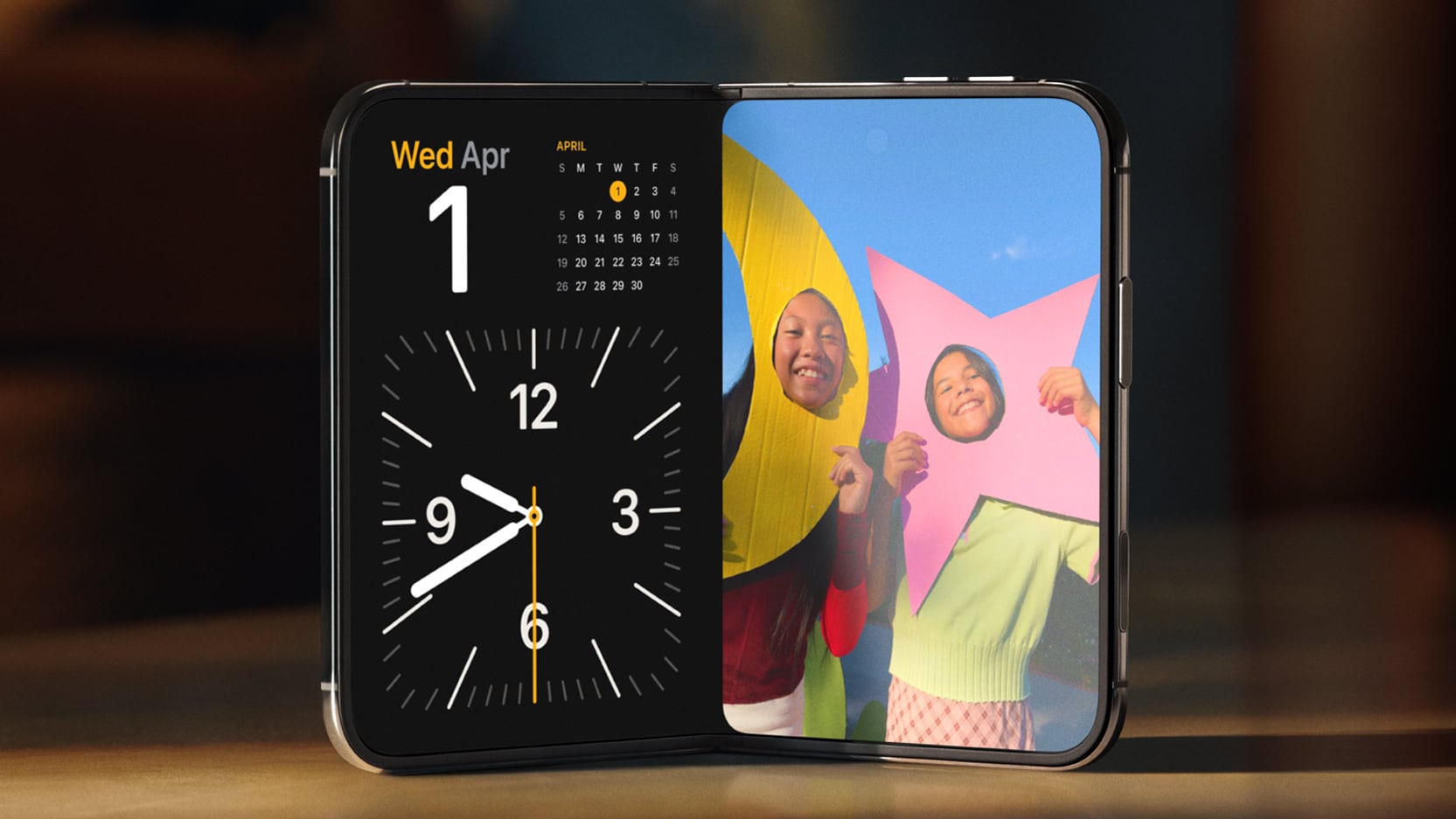
Apple's iPhone Duo is the first iPhone that can run two apps side by side. The device features a 7.6-inch foldable display with a 1:1.4 aspect ratio on both inner and outer screens. This design enables a split-screen mode where each half of the inner display matches the size and shape of the outer screen. However, unlike the iPad's Split View, the iPhone Duo does not allow users to resize the apps by dragging the divider. The split is fixed at a 50/50 ratio, meaning each app occupies exactly half of the screen regardless of user preference.
Background on Split View Limitations
The inability to resize apps in split view on the iPhone Duo stems from its display geometry. Both the inner and outer displays share the same 1:1.4 aspect ratio, ensuring visual consistency when the device is folded or unfolded. When split, each app gets a canvas that matches the outer screen's dimensions, allowing the divider to align perfectly with the fold. This fixed layout avoids creating intermediate sizes that would not fit neatly on the outer display. Apple's design choice prevents fragmentation in app layouts, which could complicate development for third-party developers. If resizing were allowed, developers would need to account for numerous irregular screen dimensions, increasing testing and support complexity.
Comparison with iPad Split View
iPad users have enjoyed resizable Split View since iOS 9 launched in 2015. In landscape mode, iPad owners can drag the divider to allocate more space to one app over another, enabling flexible multitasking. This functionality has become a staple for productivity on larger screens. The iPhone Duo, despite its foldable form factor, does not replicate this behavior. Instead, it enforces a strict equal division, which may disappoint users transitioning from the iPad who expect similar flexibility. The limitation is not due to software constraints but rather a deliberate hardware and design decision tied to the device's physical proportions.
Benefits of the Foldable Design
Despite the lack of resizing, the iPhone Duo's foldable screen offers several advantages. Users can quickly swap between apps, open two windows of the same app, and maintain a conversation in Messages while viewing content from another app. These functions work in both landscape and portrait orientations. Additionally, the system allows users to save preferred app pairs for quick recall later. In portrait mode, an exception occurs when watching TV content: Apple TV videos play in their proper aspect ratio above another app, with the lower app permitted to extend above the fold. This behavior is demonstrated in Apple's promotional materials and confirmed by early user reports.
Technical and Developer Implications
The fixed split simplifies app development by ensuring consistent canvas sizes across devices. Developers only need to optimize for two primary configurations: full screen and the 50/50 split. This reduces the burden of handling arbitrary dimensions, which could arise if resizing were permitted. The design also supports seamless transitions between folded and unfolded states, as each half of the inner display mirrors the outer screen. By avoiding variable splits, Apple minimizes rendering inconsistencies and ensures that UI elements remain predictable and aligned with the fold line.
Pricing and Availability
The iPhone Duo carries a starting price of $1,999, positioning it as a premium device in Apple's lineup. Pre-orders begin on Friday, October 16, with general availability starting on Friday, October 23. This timeline gives consumers a week to secure their units before widespread release. The device is marketed as Apple's first foldable iPhone, targeting users interested in innovative form factors and enhanced multitasking capabilities. Despite the split-view limitations, the iPhone Duo aims to deliver a unique blend of portability and screen real estate through its foldable architecture.
User Experience and Early Feedback
Early demonstrations and user testimonials highlight both the strengths and constraints of the split-screen feature. A tweet from g.O.R.i(ゴリミー管理人) on September 10, 2026, noted that app sizes cannot be adjusted during split view, confirming the 1:1 division as a fixed specification. The user shared a screenshot illustrating the interface, emphasizing that the layout remains rigid. While this limits customization, many users appreciate the ability to run two apps simultaneously without switching contexts. The feature supports workflows such as referencing notes while browsing or checking calendars during video calls, even if the space allocation cannot be fine-tuned.
Design Rationale and Future Outlook
Apple's decision to lock the split view at 50/50 reflects a balance between usability and technical feasibility. By aligning each app's space with the outer screen's dimensions, the company ensures continuity across interaction modes. The foldable display's symmetry allows for intuitive folding and unfolding without disrupting active applications. Although current software does not support dynamic resizing, future updates could introduce new multitasking modes, such as picture-in-picture or adjustable splits for specific use cases like media consumption. For now, the iPhone Duo establishes a foundation for foldable iPhone experiences, prioritizing stability and developer support over flexible window management.
Conclusion
The iPhone Duo brings split-screen functionality to the iPhone for the first time, but with notable constraints compared to the iPad. Its 7.6-inch foldable display and 1:1.4 aspect ratio necessitate a fixed 50/50 split that cannot be altered by the user. This design avoids layout fragmentation and simplifies app development, though it limits multitasking flexibility. Priced at $1,999, the device becomes available for pre-order on October 16 and launches on October 23. While it lacks the resizing freedom of iPad Split View, it enables practical dual-app usage in both orientations, with special handling for media in portrait mode. As Apple's inaugural foldable iPhone, the Duo sets the stage for future innovations in mobile multitasking.