IMAX Reacts to iPhone Duo's 1:1.4 Aspect Ratio Displays
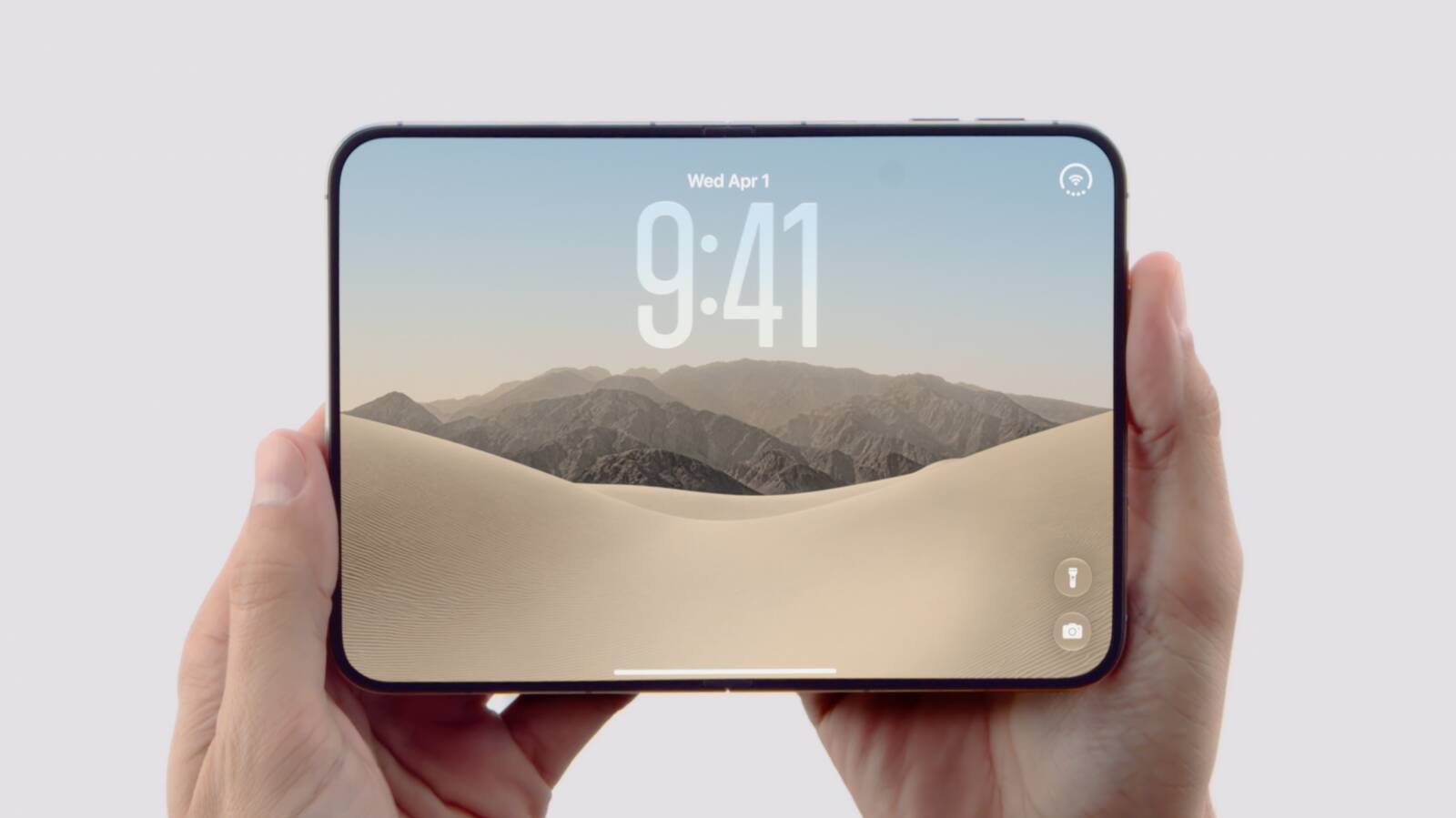
The launch of the iPhone Duo has sparked a surprising dialogue between the world’s premier large‑screen format and the newest foldable smartphone. Apple’s choice of a 1:1.4 aspect ratio brings the device unusually close to the classic IMAX 1.43:1 “full‑frame” standard derived from its historic 15‑perforation/70mm film system.
Background
The conversation began when an X post asked whether the new ratio would generate more 1:14.1 content for mobile viewers. IMAX answered on its official account with a brief “Love this for them,” followed by a pragmatic “Still not watching movies on a phone…” comment, highlighting the tension between immersive cinema and pocket screens. The timing coincided with pre‑orders opening on October 16, ahead of the official launch slated for October 23.
Technical Details of the iPhone Duo
Apple describes the iPhone Duo as a two‑screen device where the inner foldable display and outer static panel share an identical 1:1.4 aspect ratio, forming a seamless visual pane when opened. The transition between closed and open states is engineered to feel fluid, and Apple claims the fully opened device is the thinnest iPhone ever produced, pushing the limits of flexible OLED technology. This design choice directly mirrors the geometry of IMAX’s 1.43:1 format, albeit in a dramatically smaller footprint.
The “Surprise and Shine” Event
The “Surprise and Shine” event kicked off at 10:00 a.m. Pacific Time, broadcasting live via Apple’s website, YouTube channel, and the company’s TV app across multiple platforms. Attendees were promised a lineup that includes the foldable iPhone Duo, the upcoming iPhone 18 Pro and iPhone 18 Pro Max, Apple Watch Series 12, Apple Watch Ultra 4, and the next‑generation AirPods 5 earphones. The event’s timing placed the iPhone Duo at the forefront of the announcement schedule, underscoring its strategic importance to Apple’s product roadmap.
Market Forecast from TrendForce
Less than a week before the debut of the iPhone 18 Pro models, research firm TrendForce released price estimates based on the current hardware cost environment. According to the firm, the iPhone 17 Pro carried a starting price of $1,099, while the projected iPhone 18 Pro is expected to begin at roughly $1,24… (the estimate remains incomplete in the source). These figures suggest a modest upward pressure on flagship pricing, potentially reflecting the added engineering complexity of foldable displays.
Industry Implications of a Cinema‑Scale Ratio on a Phone
By adopting an aspect ratio that nearly matches IMAX’s historic standard, Apple blurs the line between mobile media consumption and theatrical presentation. While IMAX remains skeptical about phones replacing dedicated viewing venues, the iPhone Duo could encourage content creators to experiment with wider framing for short‑form videos, social media reels, and AR experiences. The alignment may also drive streaming platforms to offer optional 1.43:1‑styled streams, catering to users who own devices capable of displaying the format without letterboxing.
Consumer Reception and Anticipated Adoption
Early social media chatter reflects a mix of excitement over the novelty and concern about practical usability. The promise of a fluid, continuous screen is enticing for multitaskers, yet the “still not watching movies on a phone” sentiment from IMAX resonates with traditionalists who prioritize larger displays for immersive storytelling. Pre‑order numbers released after October 16 will likely reveal whether the market embraces a cinema‑grade aspect ratio in a pocket‑sized form factor.
Future Content Strategies for Creators
If the iPhone Duo gains traction, filmmakers and advertisers may begin producing content optimized for the 1:1.4 frame, a compromise between the square‑ish phone screens of the past and the ultra‑wide cinematic canvases of the past. This could lead to a new genre of “mobile‑first widescreen” productions, where composition, framing, and visual storytelling are tailored to the unique geometry of foldable devices. Such a shift would echo the historical impact IMAX had when it introduced its 15‑perforation/70mm format to mainstream audiences.
Conclusion
The intersection of Apple’s iPhone Duo and IMAX’s iconic aspect ratio marks a noteworthy moment in the evolution of visual media. While IMAX remains cautious, the bold move by Apple to align a consumer device with a cinema‑grade standard could reshape how content is conceived, produced, and consumed on the go. As pre‑orders open on October 16 and the launch approaches on October 23, the industry will watch closely to see whether this convergence heralds a new era of mobile cinema or remains a niche curiosity.