Here are the requirements to get Siri AI in iOS 27
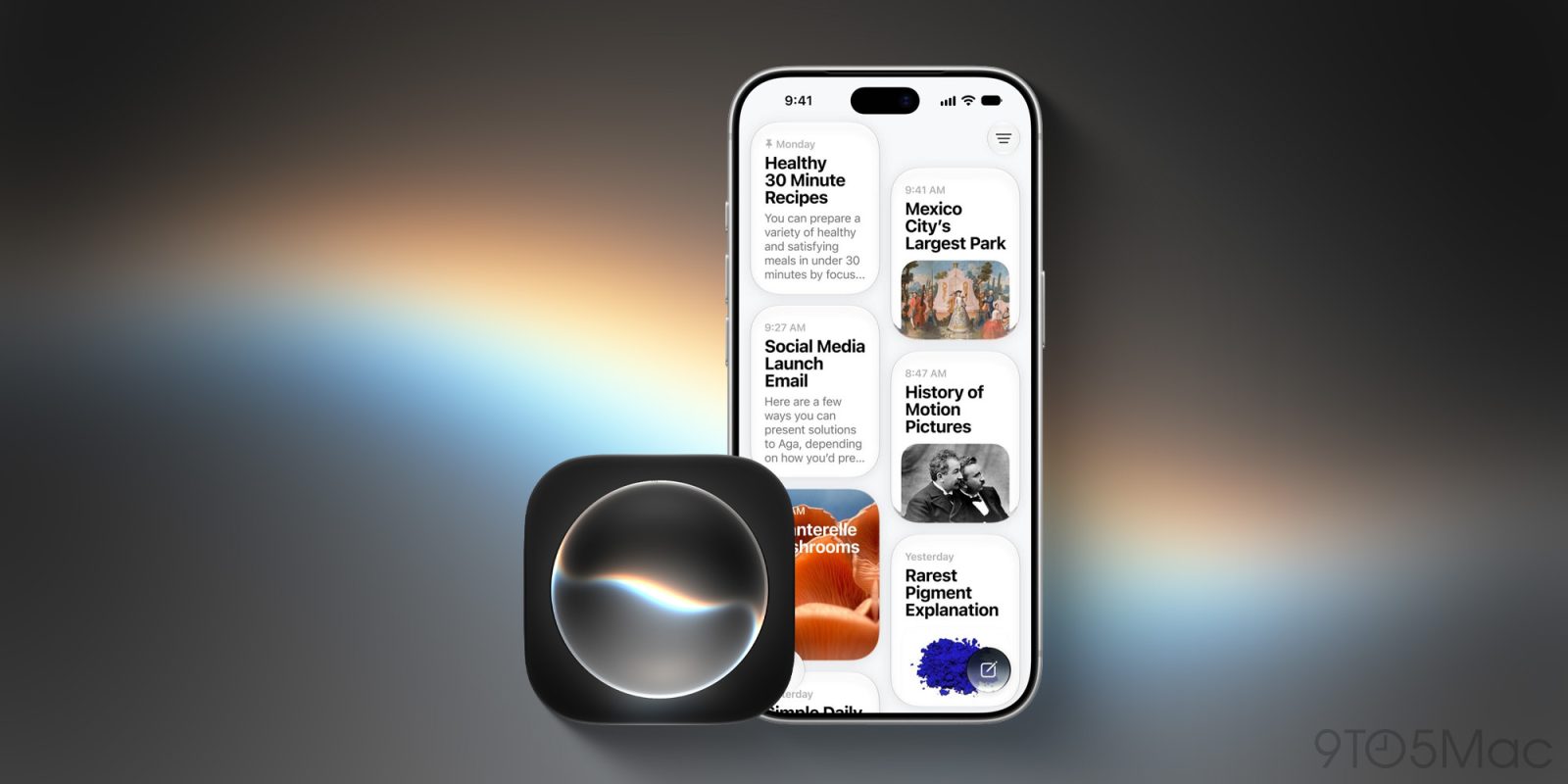
Apple unveiled iOS 27 today, marking the debut of Siri AI as a major upgrade to the company’s voice assistant. The new operating system arrives with a suite of intelligence‑driven features that promise more natural conversation and deeper context awareness.
Overview of iOS 27 and Siri AI
iOS 27 introduces Siri AI, an evolution of the classic Siri that leverages Apple Intelligence to understand nuanced queries. At launch, the assistant operates on a cloud‑enhanced model that can generate multi‑step responses and remember user preferences across sessions.
The rollout is limited to devices that meet Apple Intelligence compatibility, ensuring the hardware can handle the increased processing demands. Apple emphasizes that the AI‑driven experience is designed to feel conversational rather than command‑based, shifting the interaction paradigm for millions of users.
Device Compatibility and Tiered Feature Access
Siri AI runs on all Apple Intelligence‑compatible devices, starting with the iPhone 15 Pro and newer models. Users with a iPhone 15 Pro will experience the core assistant functions, while advanced capabilities such as proactive task suggestions are reserved for the iPhone 17 Pro and later.
All Macs equipped with Apple silicon are supported, allowing MacBook, iMac, and Mac Studio owners to benefit from the same AI core. For tablets, the requirement is an iPad powered by the A17 Pro chip or newer, aligning the performance envelope with the latest iPhone tier.
Wearable compatibility hinges on the ability to run watchOS 27; any Apple Watch model that can install this OS version will host Siri AI. The entire Vision Pro lineup is also included, giving mixed‑reality users access to voice‑first interactions within immersive environments.
Apple explicitly excludes Apple TV and HomePod from the initial launch, citing hardware limitations that prevent full AI integration at this stage. These devices may receive support in future updates once the necessary processing pipelines are in place.
Language Support and Upcoming Expansion
At launch, Siri AI is available only when the device language is set to English. This restriction ensures the model can be fine‑tuned on a single linguistic dataset before scaling.
Next month, Apple plans to broaden language coverage to include French, Japanese, Korean, Portuguese, and Spanish. The expansion is expected to coincide with the release of iOS 27.1, which Apple has pledged will arrive no later than October 23.
By aligning the language rollout with a minor OS update, Apple can deliver localized AI models without requiring a full system upgrade. Users will receive a notification prompting them to download the new language packs once the update is installed.
Age Restrictions, Regional Availability, and Child Safety
Apple has set a firm age limit: Siri AI is not available for users under 13 years old. There are no exceptions, even with parental permission, reflecting Apple’s commitment to privacy and data minimization for minors.
In parallel, iOS 27 introduces a suite of new child‑safety features, such as enhanced screen‑time controls and more granular app permission settings. These tools aim to give parents tighter oversight while complying with global regulations.
Geographically, Siri AI is rolled out worldwide except in two key territories: the EU and China. Apple explains the EU omission as an ongoing effort to “preserve users’ privacy and security,” while the China restriction is tied to “regulatory requirements” that are still being addressed.
The company’s statements suggest that once privacy frameworks and regulatory pathways are clarified, the AI assistant could be introduced to those markets in a later phase. Until then, users in the excluded regions will continue to run the classic Siri experience.
Timeline and Future Updates
The initial launch of iOS 27 and Siri AI sets the stage for a rapid cadence of enhancements. Apple has outlined a roadmap that includes language expansion, feature unlocks for newer hardware, and eventual support for currently excluded devices.
iOS 27.1, slated for release by October 23, will not only add the five new languages but also unlock advanced AI features on the iPhone 17 Pro series. This incremental update strategy mirrors Apple’s historical approach of layering capabilities over a stable core OS.
Beyond the 27‑series, Apple hints at a longer‑term vision where all devices, including Apple TV and HomePod, become AI‑ready through hardware revisions and software optimizations. The company’s investment in custom silicon suggests that future generations will embed AI accelerators directly into the chip architecture.
Developers can anticipate new APIs that expose Siri AI capabilities to third‑party apps, enabling richer conversational interfaces and context‑aware services. Apple’s developer portal is expected to release detailed documentation shortly after the iOS 27.1 rollout.
In summary, the launch of iOS 27 and Siri AI represents a pivotal moment for Apple’s ecosystem, blending powerful on‑device hardware with cloud‑enhanced intelligence. While current limitations around age, language, and regional availability temper the rollout, the roadmap promises a swift expansion of functionality and reach.